




Definition Of Remanufacturing
DEFINITION OF REMANUFACTURING
—
- Maintenance: Like medical treatment — repair only where broken.
- Refurbishment: Like makeup — only improve outward appearance (e.g., “cosmetically refreshed vehicles” in some regions).
- Remanufacturing: Like rebirth or full reconstruction. The whole product is completely disassembled and remanufactured in accordance with specifications for new products.
Remanufacturing vs. Maintenance
Features of Engine Remanufacturing
—
Basic Characteristics of Remanufactured Engines:
- The performance of remanufactured engines is close to that of new engines, with some indicators exceeding new engines.
- All components required for remanufacturing are sourced from industrialized social supply chains.

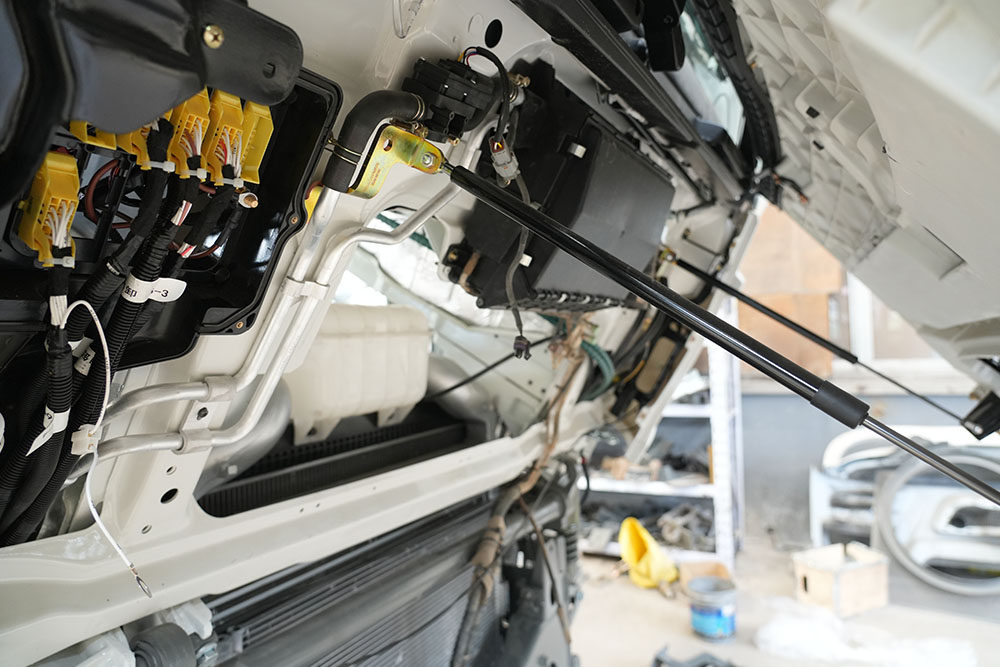
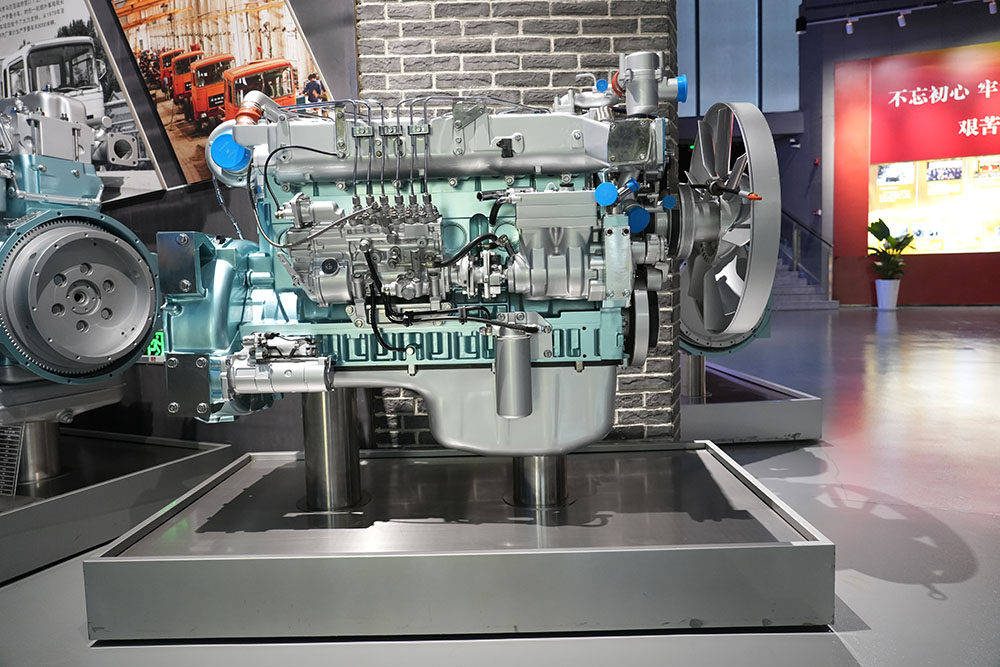
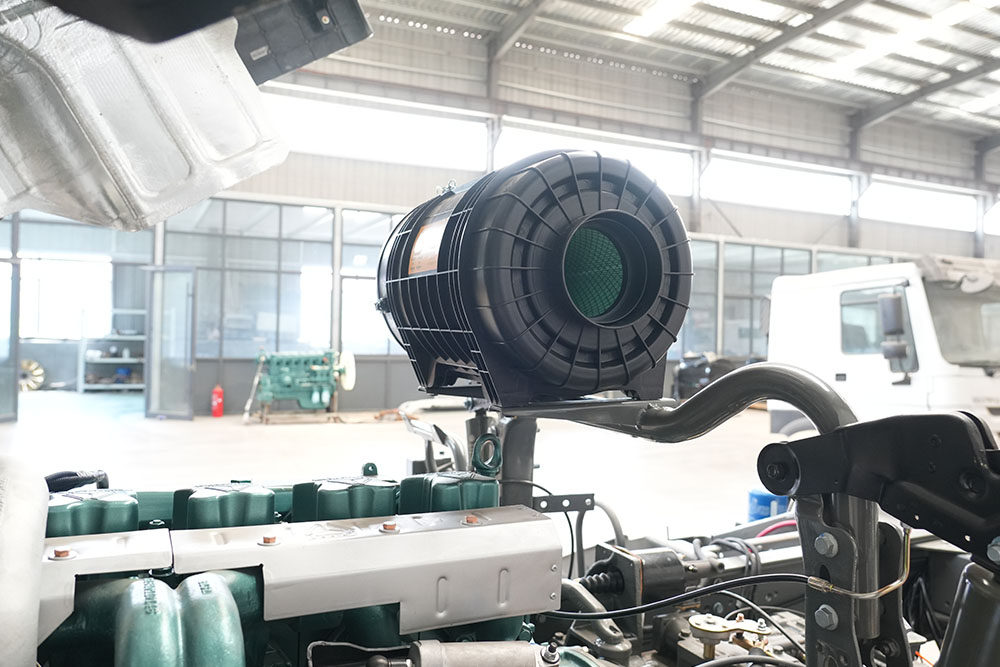
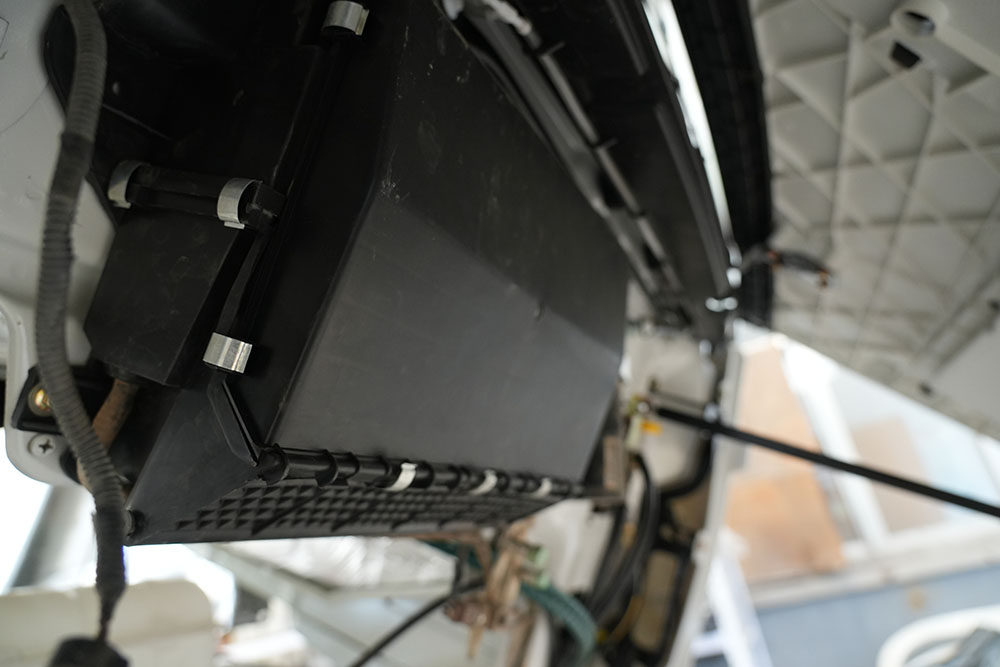
Vehicle Matching Principles
—
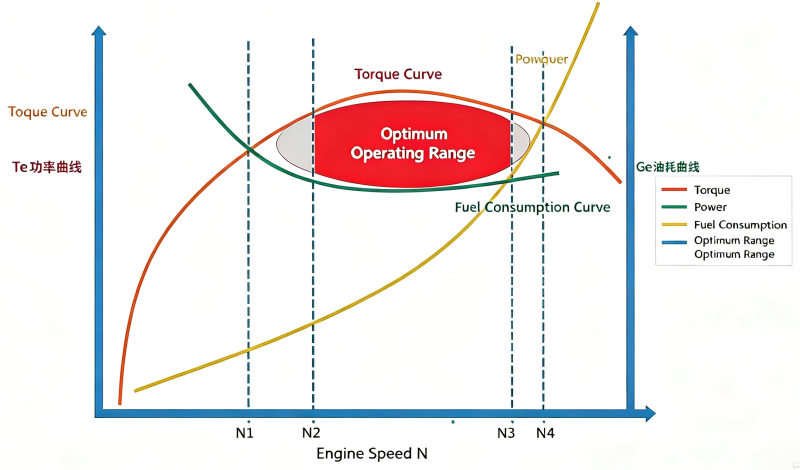
Power Basic Formula
Power = Torque × Angular velocity ω = 2π × Torque × Rotational speed (2π is a constant)
A: Engine Rotational Speed & Vehicle Speed
- Formula for vehicle economic speed \(v_{economic}=0.377×n_{economic}\div i_{gearbox\ top\ gear(Direct\ gear)}\div i_{rear\ axle}×r_{tire}\)
- Tire parameter description The tire radius only has a step difference of 0.01. Four tire models including 11.00 and 12.00 nylon tires & radial tires are weighted-averaged, then the coefficients in the formula are integrated.
- Simplified formula for rear axle ratio \(i_{rear\ axle}=0.202×(Engine\ economic\ speed \div Vehicle\ economic\ speed)\) Note: For non-overdrive gear; multiply by the corresponding first gear ratio if it is overdrive.
B: Maximum Driving Force (Traction Force) of Vehicle
\(P = Max.\ Engine\ Torque × Gearbox\ first\ gear\ ratio × Rear\ axle\ ratio\)
Craftsman (Shandong) Machinery Equipment Co., Ltd.